Our areas of work 1/3
Sustainable livelihoods
Boosting rural economies and incomes
for people most affected by climate change
Overview
Our vision
A world where climate‑vulnerable rural communities build lasting economic security.
Challenge in numbers
2+ billion
Number of people depending on agriculture for their livelihoods — most of them smallholder farmers highly exposed to climate shocks
Source: Convention of Biological Diversity
2.6 billion
Number of people unable to afford a healthy diet
Source: Food and Agriculture Organization of the United Nations
2025 at a glance
We supported initiatives across:
- Community‑based conservation, helping local groups protect and manage natural resources in ways that support both the environment and household incomes.
- Rural enterprise and cooperative development, enabling people to earn a steady income by strengthening local businesses, farmer groups and social enterprises, and improving their access to skills, markets and finance.
Empowering Cooperatives for Climate-Resilient Growth
Cooperatives are a powerful vehicle for building sustainable livelihoods. When small businesses and farmers pool knowledge, resources and bargaining power, they gain better prices and access to markets. Members make joint investments, women and marginalised groups gain more independence, and savings groups enable families to invest in education and healthcare.
However, cooperatives and other small businesses in low- and middle-income countries often lack the capital, skills and advice they need to adapt effectively to our changing climate, and to fulfil their potential as generators of jobs and prosperity.
To overcome these challenges, the Trafigura Foundation channels support to partners skilled in identifying and meeting the needs of enterprises, including cooperatives, so they can build successful, resilient ventures that sustain vibrant, climate-proof local economies.
The global economic impact of member-owned enterprises
Cooperatives are businesses owned and controlled by members, ensuring that decisions are made to balance profit with the needs and interests of their members and communities.
According to the International Cooperative Alliance, there are about 3 million cooperatives globally, providing employment or work opportunities to 10 percent of the world’s employed population.
The United Nations designated 2025 as the International Year of Cooperatives in recognition of their role in advancing the Sustainable Development Goals and to raise awareness, promote growth, and inspire leadership in the cooperative movement.
Cooperatives “demonstrate the importance of standing together to forge solutions to global challenges,” UN Secretary-General Antonio Guterres has said. “Cooperatives build a better world.”
Highlight
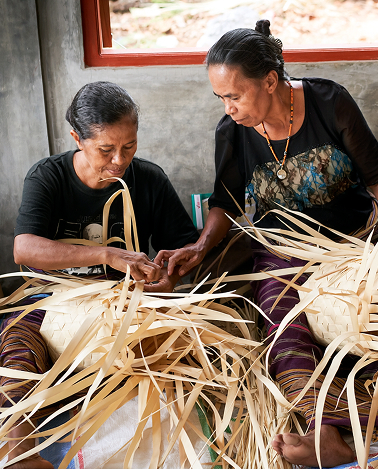
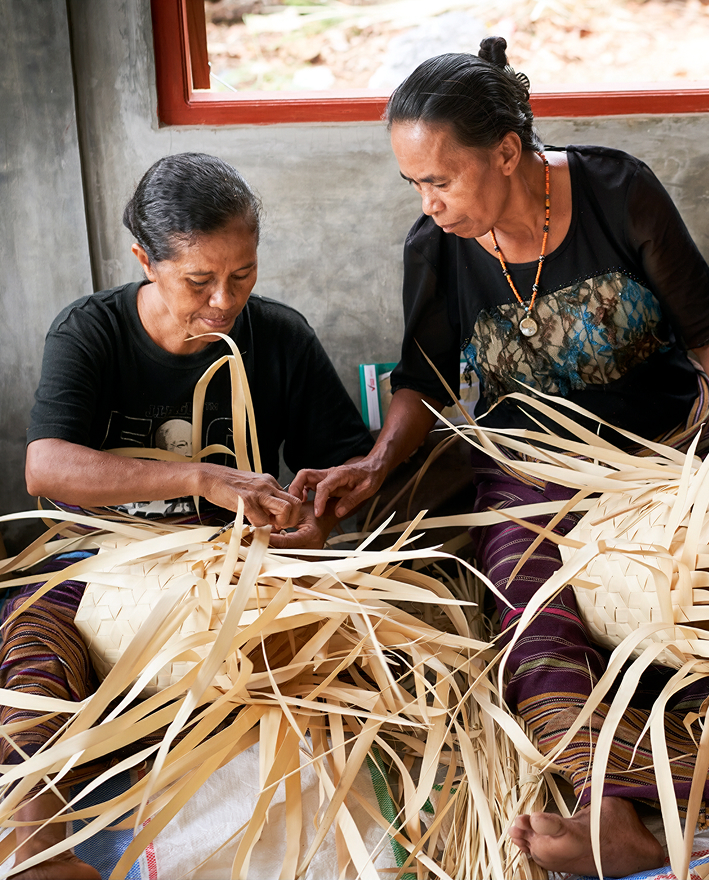
When traditional lenders won’t back social enterprises, Beneficial Returns steps in with swift, mission‑driven loans that let entrepreneurs grow impact instead of chasing capital.
Social enterprise uplifting Indigenous communities
Beneficial Returns
In 2025, the Foundation began a partnership with Beneficial Returns, an impact investing firm specialised in providing capital to social enterprises including cooperatives that address poverty and protect the environment.
Beneficial
Returns
In 2025, the Foundation began a partnership with Beneficial Returns, an impact investing firm specialised in providing capital to social enterprises including cooperatives that address poverty and protect the environment in Latin America and Southeast Asia.
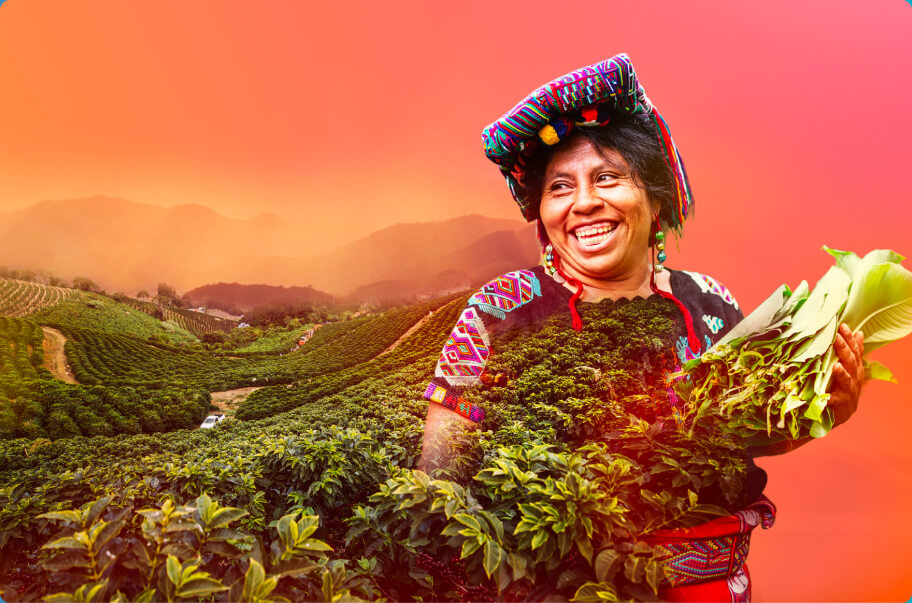
With support from philanthropic investors, the firm’s Reciprocity Fund provides loans on favourable terms that enable social enterprises serving Indigenous communities to grow their businesses, generate sustainable livelihoods and boost community resilience.
By supporting development in areas including clean energy, water access, agriculture, forest products, handicrafts and tourism, these businesses offer alternatives to short-term extractive practices, helping to preserve nature and Indigenous cultures.
Long-term grant support from the Trafigura Foundation will enable The Reciprocity Fund to extend loans to more borrowers in Latin America that would otherwise be unable to access finance and to expand its reach in Southeast Asia.

Voices of partners
Demand from Indigenous-led and Indigenous-serving enterprises remained extremely high in 2025, and this partnership has helped us respond with affordable and flexible capital that is generating more livelihoods rooted in forests, agriculture, and traditional-knowledge-based value chains. This means stronger local economies and communities better prepared for climate change and extreme weather.
Marta Julia Ixtuc Cuc
Latin America Associate, Beneficial Returns
Sustainable businesses and cooperatives supported by The Reciprocity Fund

native communities.
CAC Alta Montaña
Founded by smallholder farmers from the Indigenous Asháninka group, the largest Amazonian Indigenous group in Peru, CAC Alta Montaña is a cooperative dedicated to producing high-quality coffee and ginger while promoting sustainability and community development. With 310 farmer partners in the Junín region, the cooperative holds certifications including Fair Trade, Rainforest Alliance, and Bio Suisse, which enable it to pay fair prices to its members. The Reciprocity Fund provided a working capital loan, helping ensure farmers are promptly paid for their harvests, strengthening both their livelihoods and the cooperative’s sustainability.
Amapuri
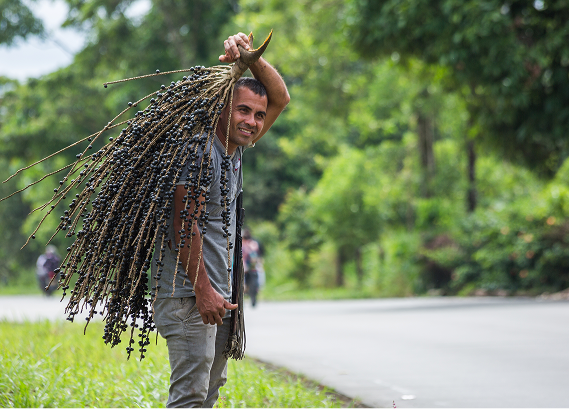
This family-owned agribusiness in Colombia works with more than 800 Indigenous and Afro-Colombian families to produce açaí and heart of palm that it processes into frozen pulp, powder, ice cream and canned products for sale on domestic and international markets. Amapuri’s model provides stable, above-market pricing and supports community-based agroforestry practices. The company also contributes to soil regeneration by supplying organic fertilizers derived from the waste generated during processing. The Reciprocity Fund extended a working capital loan so that Amapuri could expand its network to include at least 100 more Indigenous families and finance açaí purchases during the 2025 harvest season.
Before Amapuri partnered with us, I could not rely on açaí harvesting to feed my family. We worked hard, but the price was low, and when the rains cam…
Before Amapuri partnered with us, I could not rely on açaí harvesting to feed my family. We worked hard, but the price was low, and when the rains came too Before Amapuri partnered with us, I could not rely on açaí harvesting to feed my family. We worked hard, but the price was low, and when the rains came too strong or too late, a season could be lost. With Amapuri, we learned to harvest and handle the fruit better, organise sales together, and send our açaí by river to their plant in Putumayo, so it reaches stable buyers. We earn a fair, above-market price while protecting our forest. Now I have a steady income, and I was able to rebuild the roof of my home so my family stays dry when the heavy rains come.”

Komodo Water
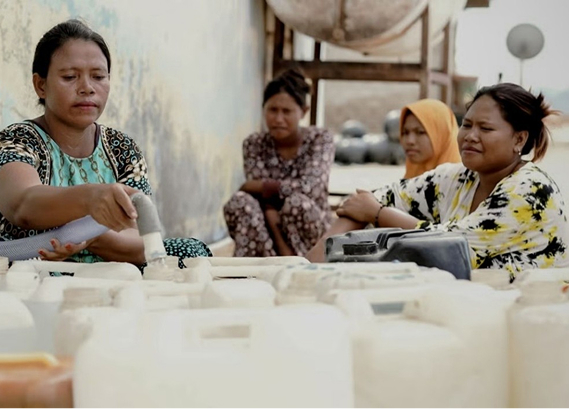
Komodo Water is a women-led social enterprise bringing affordable clean water and ice to remote fishing communities. Operating in East Nusa Tenggara, Indonesia, Komodo Water provides solar-powered desalination and ice production. Serving indigenous Manggarai farmers and Bajo sea nomads across the Komodo Islands, the enterprise has reached more than 22,000 people across seven villages. Communities co-own and operate the facilities, ensuring that water is affordable, fishermen reduce spoilage, and local profits stay within villages. With a loan from the Reciprocity Fund, Komodo Water added two new facilities for the Manggarai people, securing access to safe water and supporting cultural resilience tied to both land and sea.
Coopavam
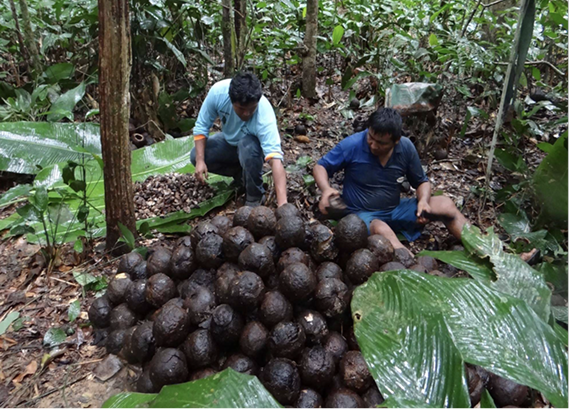
Cooperative dos Agricultores do Vale do Amanhecer (COOPAVAM) purchases and processes Brazil nuts from smallholders in the Mato Grosso region of the Amazon Forest. The cooperative’s processing plant turns the nuts, gathered by over 400 collectors from six Indigenous tribes, into oil and flour for sale to companies in food, health and cosmetics industries. As well as providing sustainable income to Indigenous communities, COOPAVAM holds workshops on best management practices for non-timber forest products, contributing to the conservation of thousands of hectares of forest. The Reciprocity Fund provided a USD 75,000 working capital loan to ensure the enterprise could pay nut collectors soon after harvest.
What’s next?
Long-term grant support from the Trafigura Foundation will enable Beneficial Returns to:
- Extend loans from The Reciprocity Fund to more social enterprises that would otherwise not receive financing.
- Expand its reach in Southeast Asia.
~17%
Trafigura Foundation’s contribution to total investment to the Reciprocity Fund
35k
People supported
100k
Hectares of land and forest managed and protected
Our Partners
From Burkina Faso to Uganda, our partners work with communities to build climate-resilient livelihoods and sustainable businesses that strengthen rural economies.
Building a ‘resilience corridor’ across West Africa
80
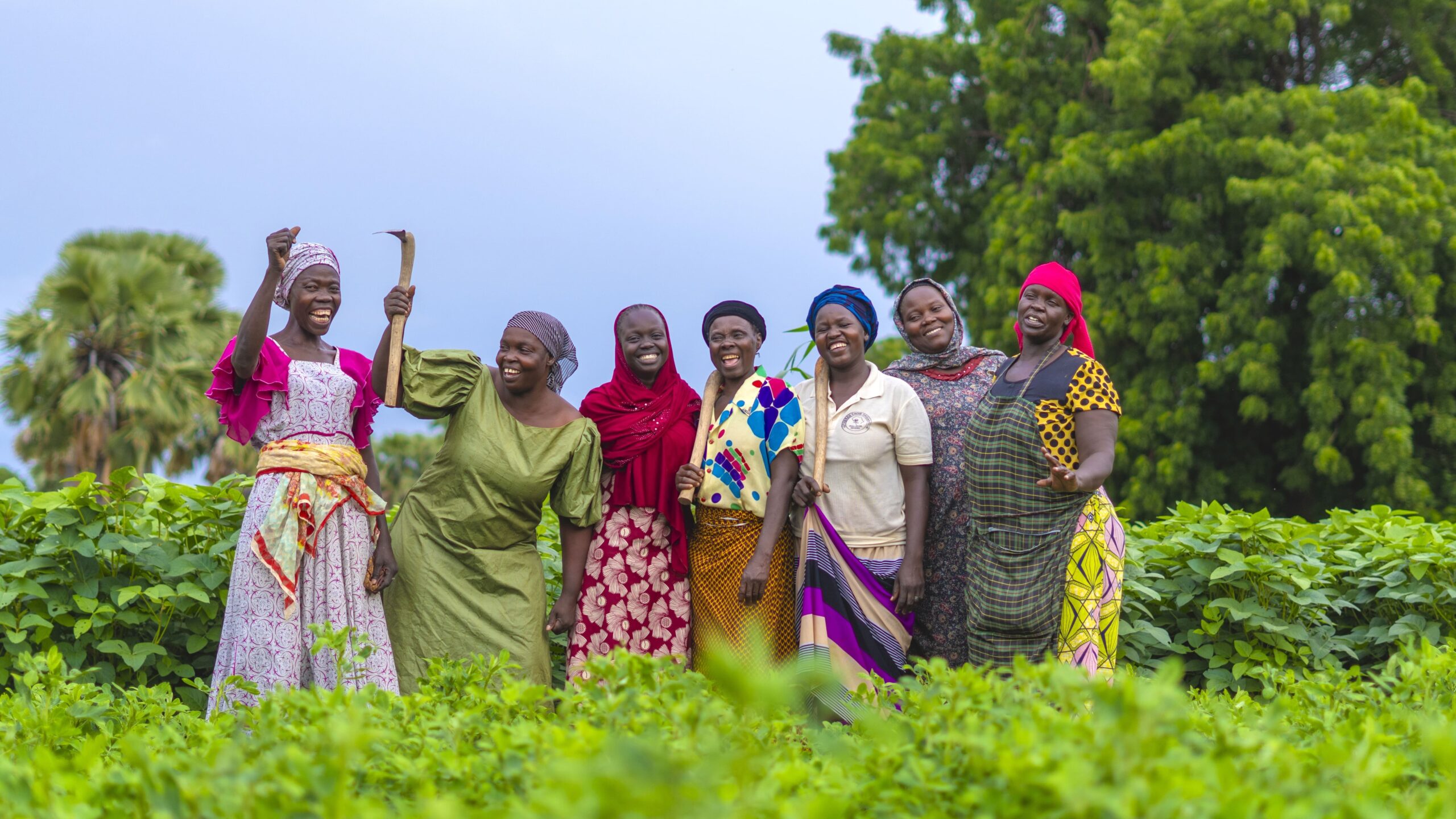
Farming cooperatives strengthened through our funding by 2027 to reach 60,000 people, boost climate‑resilient practices, and raise farmers’ yields and incomes by 30%.
Nuru
As climate change, conflict, and extreme poverty collide to create growing instability in West Africa, Nuru disrupts this trajectory through sustainable livelihoods that cultivate resilient, prepared communities. Nuru identifies marginalized communities in areas proximate to conflict, and then strengthens local livelihoods and market systems through locally-owned and locally-led cooperative agribusinesses.
Nuru supports these cooperatives through business development services, access to finance, strong market linkages, and training on climate-smart farming, such as crop diversification and soil conservation.
Member-owned cooperatives equip farmers and pastoralists to realise their collective strength, while increasing their food production and economic potential through climate-smart approaches that are good for both them and their ecosystems.
The Foundation entered a partnership in late 2024 that has enabled Nuru to expand its support to cooperatives in Ghana and Burkina Faso and establish operations in Niger, Benin, and Togo, building what it calls a “resilience corridor” across West Africa – a network of thriving, climate-resilient rural communities designed to disrupt the spread of extreme poverty and instability.
In 2025, Nuru reported that 92 percent of the farmers it serves in Burkina Faso have adopted practices that build soil health, mitigate climate change impacts, and improve crop yields. In Ghana, after its second year of operations, Nuru has supported 20 climate-smart agribusinesses serving 20,000 people.
Seeds that spark opportunity – and women’s leadership
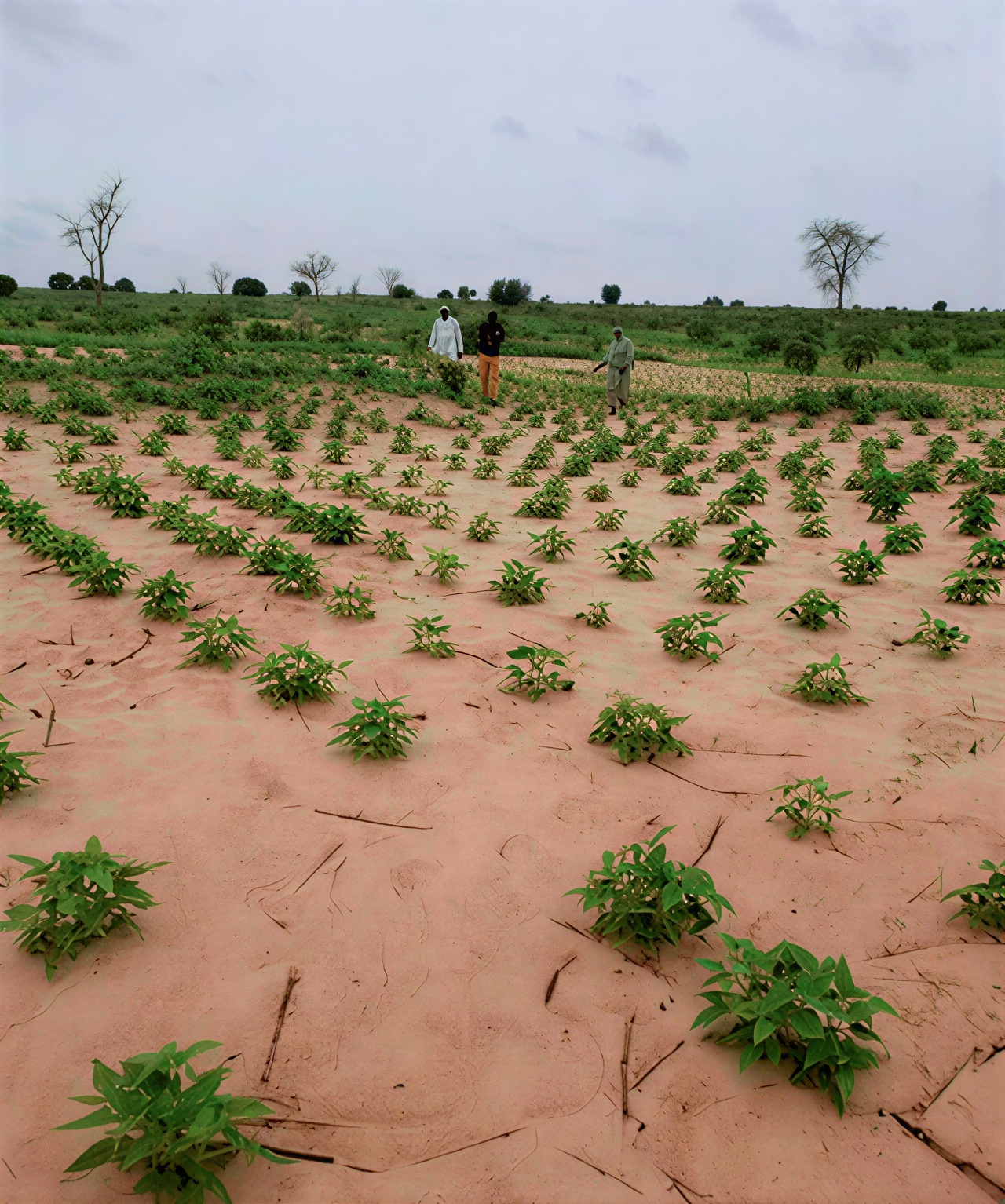
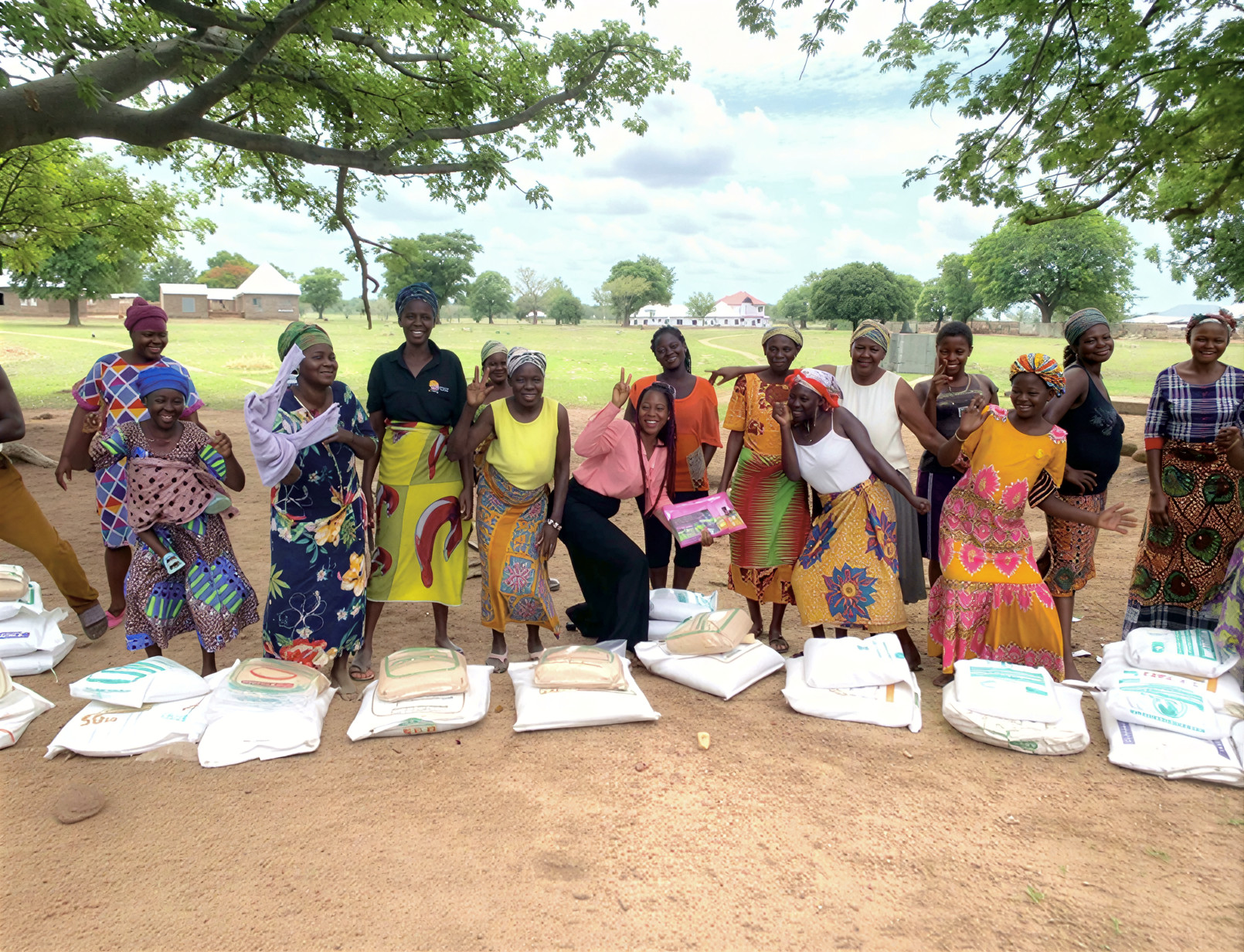
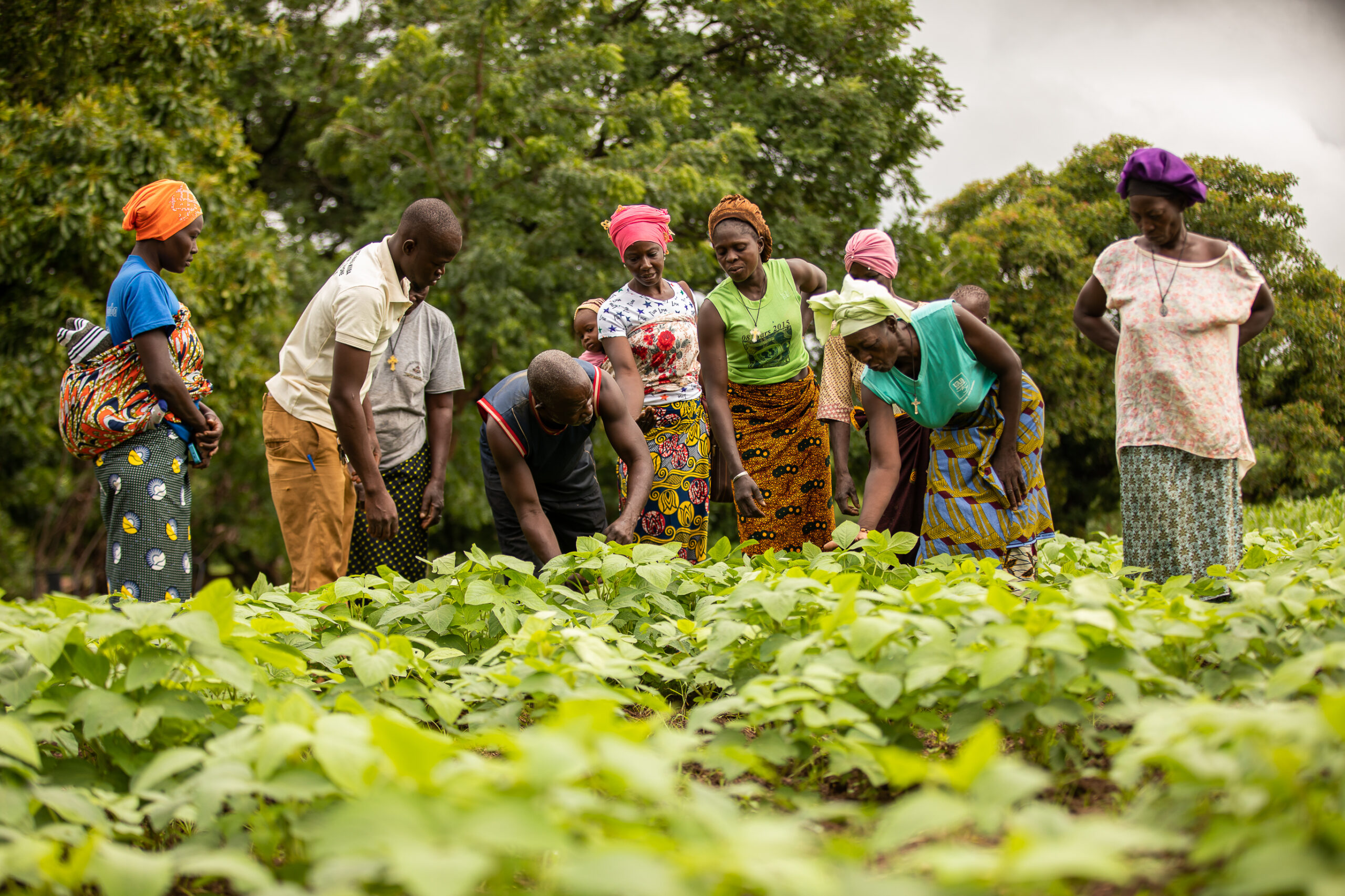
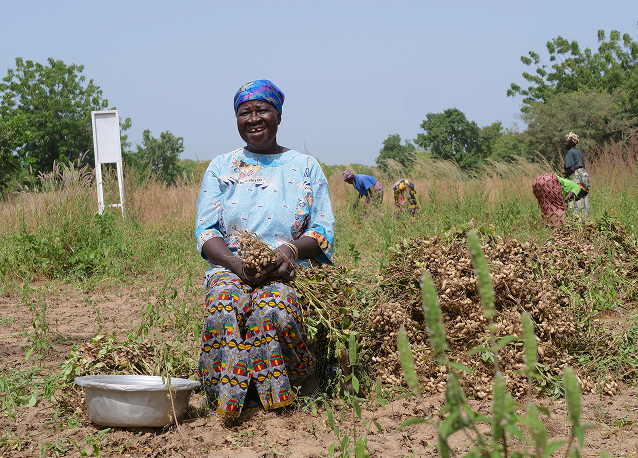
Germaine is the president of a Nuru-supported women’s farmer cooperative in Burkina Faso. Like other women farmers in the country, she faces many challenges, from poverty and economic inequality to erratic rainfall and frequent drought conditions.
Nuru has equipped Germaine and her fellow cooperative members with drought-tolerant soybean seeds to help them adapt, overcome, and improve their food security. Nuru teaches farmers to turn soy into protein-rich tofu that can be eaten or sold for income.
« We have launched initiatives to improve our farming practices, diversify our activities, and better market our products. I’m also striving to build partnerships with local organizations and institutions to benefit from training and funding and make our cooperative more resilient and prosperous. I’ve become a source of inspiration for other women who didn’t dare take on leadership roles. Today, I see women around me who believe in their abilities, and that gives me even more motivation.”

Voices of partners
We are profoundly grateful for the Trafigura Foundation’s catalytic support, which has equipped the Nuru Collective to exceed its impact targets across West Africa in 2025. This partnership is essential for de-risking fragile regions and building lasting climate resilience through professional cooperatives in areas where such support is most desperately needed.
Aerie Changala
Chief Executive Officer, Nuru
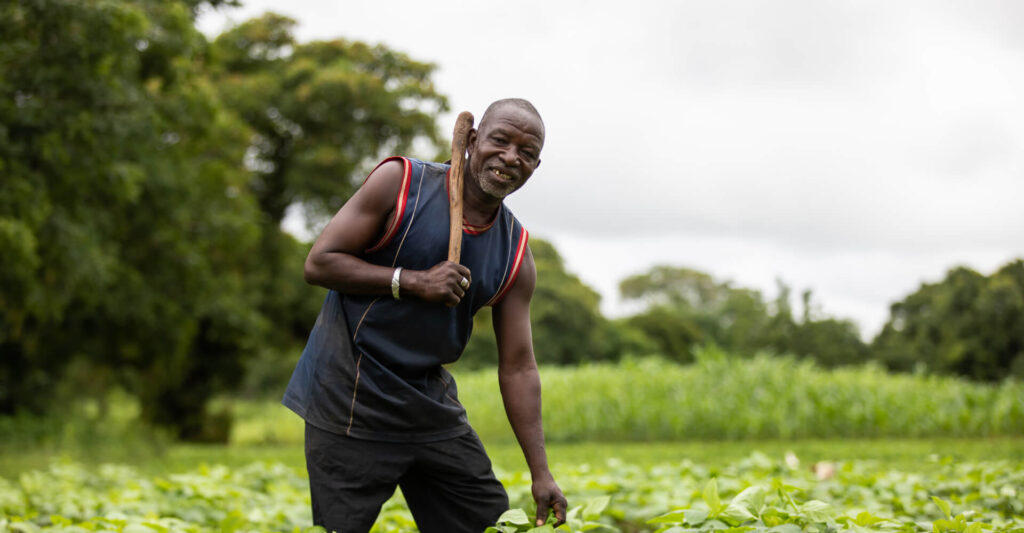
From local beans to global markets: catalysing business resilience
Root Capital
Root Capital provides catalytic finance and tailored advisory services to strengthen agricultural enterprises including cooperatives and bring climate-resilient development to rural communities around the world.
In 2025, with support from the Foundation, the organisation provided USD 103.6 million in climate-aligned financing to 134 agricultural cooperatives and businesses, reaching more than 395,000 farmers with investments that strengthen incomes, improve productivity, and reduce climate-related risks across supply chains.
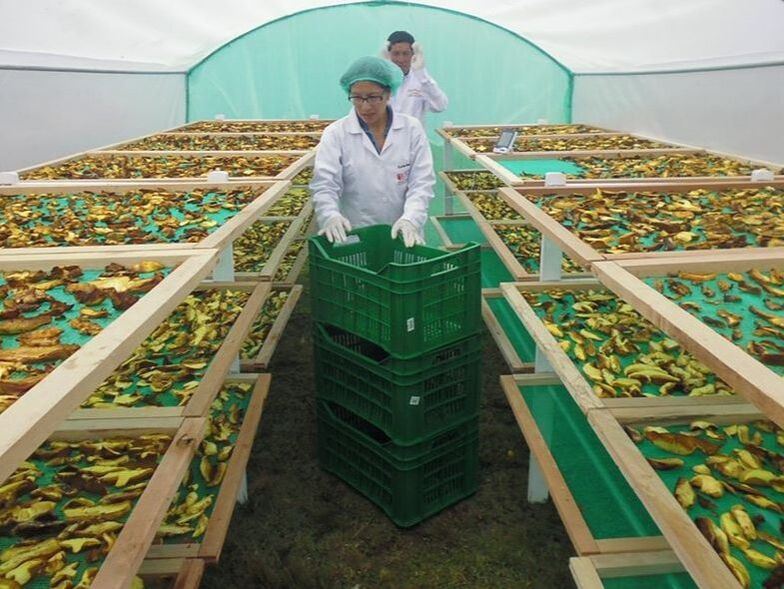
The programmes included climate action loans in Uganda to expand the production of disease- and drought-tolerant coffee seedlings and install weather-resilient processing infrastructure such as solar dryers, as well as a loan in Peru to support the installation of a biodigester to turn waste from organic coffee processing into fertiliser.
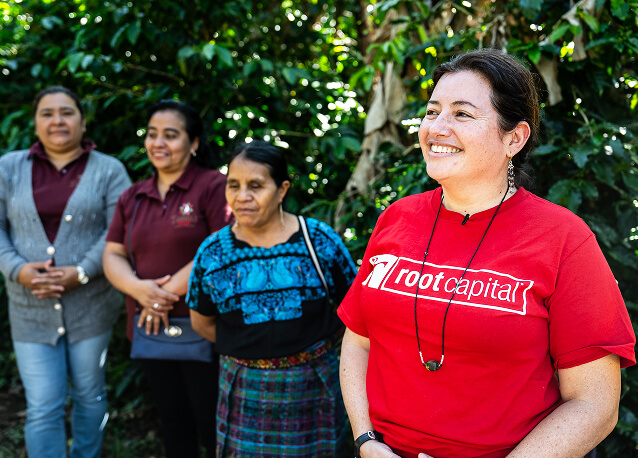
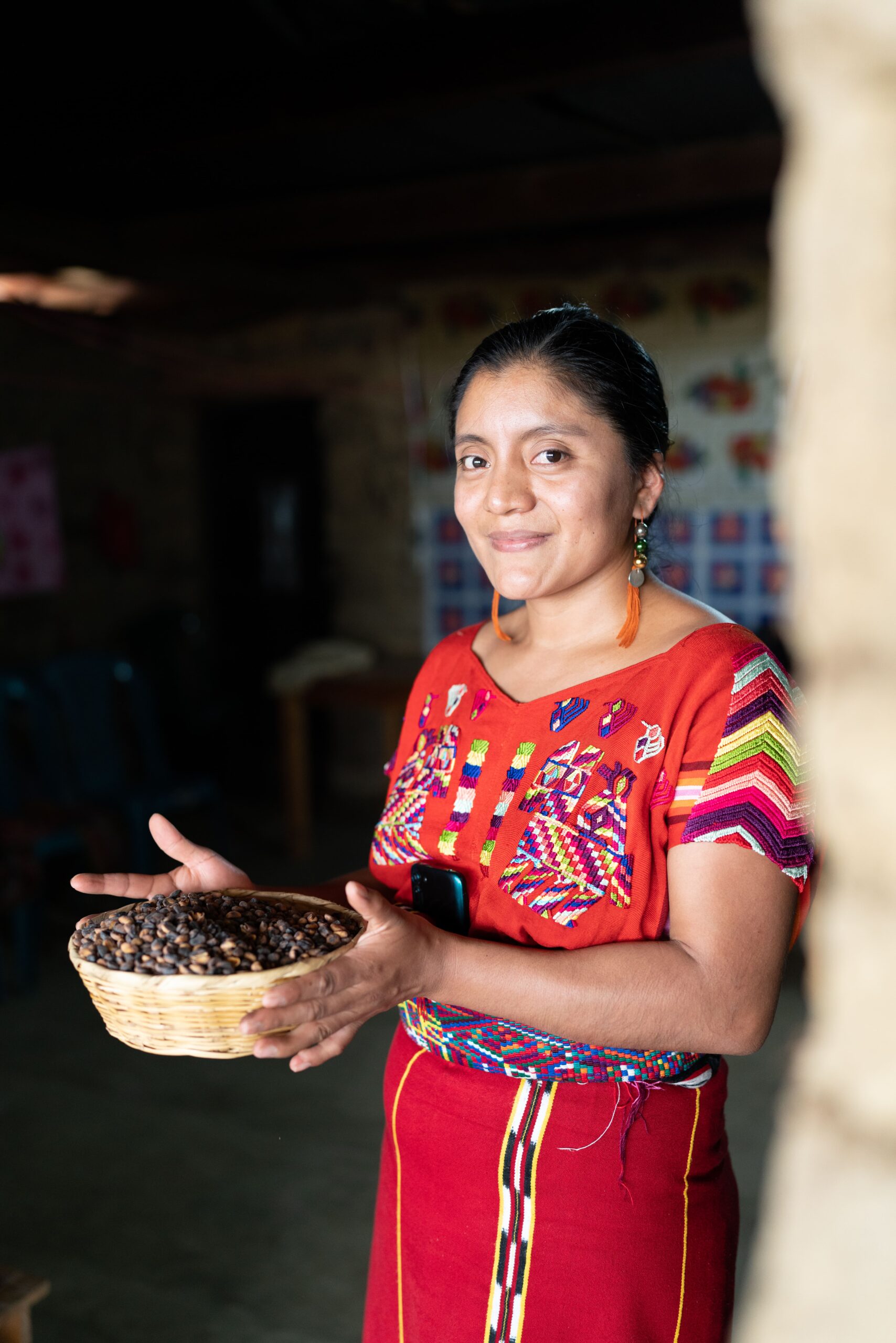
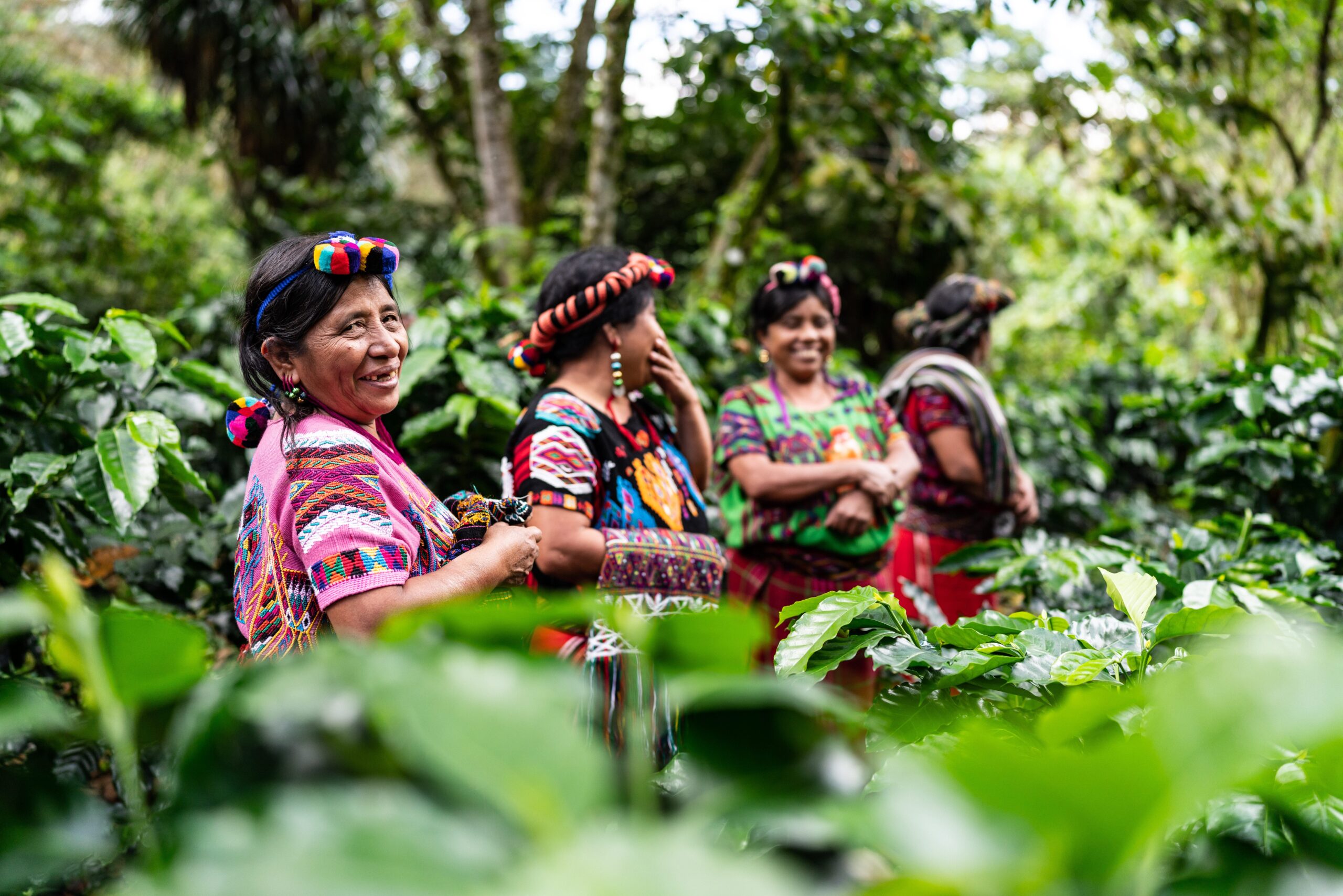
© Root Capital, Guatemala
Data-driven compliance for coffee communities
As global regulations like the EU Deforestation Regulation reshape access to major markets, Root Capital is assisting clients like Asociación Chajulense, a coffee cooperative in Guatemala’s Western Highlands, to meet new compliance requirements.
Through a partnership with Satelligence, Root Capital provides cooperatives with free access to satellite monitoring, training in geospatial data collection, and hands-on advisory support – ensuring clients can generate, interpret, and retain ownership of the data needed to demonstrate deforestation-free sourcing.
“With this tool for data monitoring and quality control, we can pre‐identify areas that might be at risk of de‐certification,” explains Roderico Galindo García, the cooperative’s Technical Lead. “It’s improved our precision and confidence in the data.”
“If we don’t have the required GPS points or polygons, we risk losing access to the market,” he said. “We’re grateful to Root Capital for standing by us with the guidance and support we need to stay compliant.”
Nurturing enterprise around the world
Other impacts of our partnerships in 2025 include:
Peace Dividend Initiative (PDI)
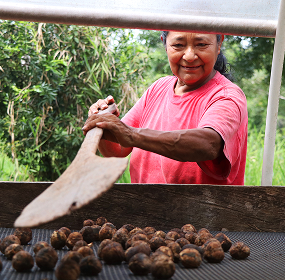
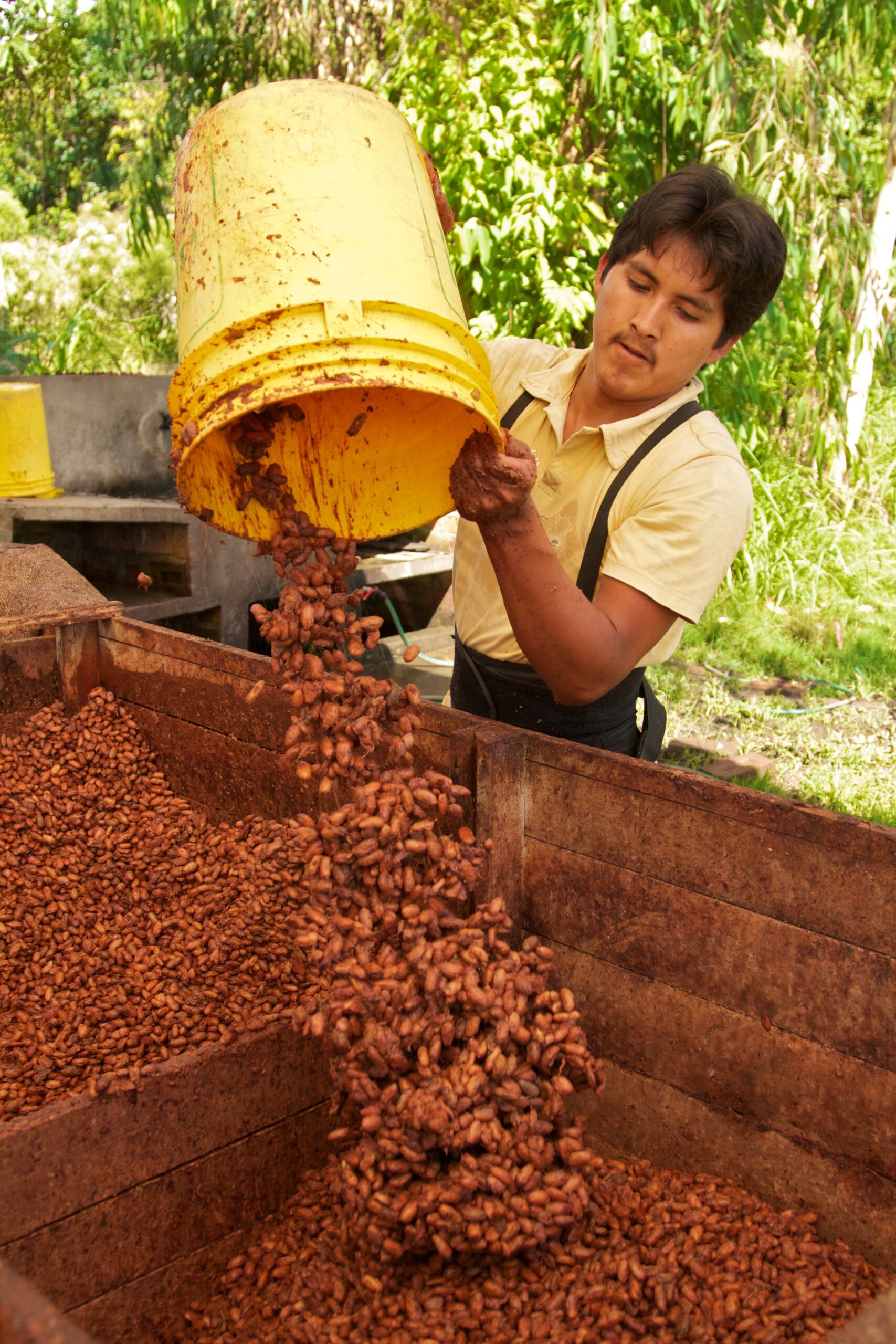
Community member processing cacay nuts in Miraflores, Guaviare. PDI supports 17 families with solar drying infrastructure and sustainable forest management practices.
PDI doesn't just provide resources: they work alongside us as true strategic partners. Their integrated approach shows t… PDI doesn’t just provide resources: they work alongside us as true strategic partners. Their integrated approach shows that conserv PDI doesn’t just provide resources: they work alongside us as true strategic partners. Their integrated approach shows that conservation, economic viability, and social impact don’t compete: they reinforce each other over time. »

Conexsus
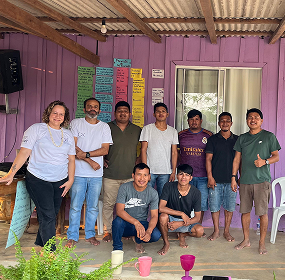
Boma
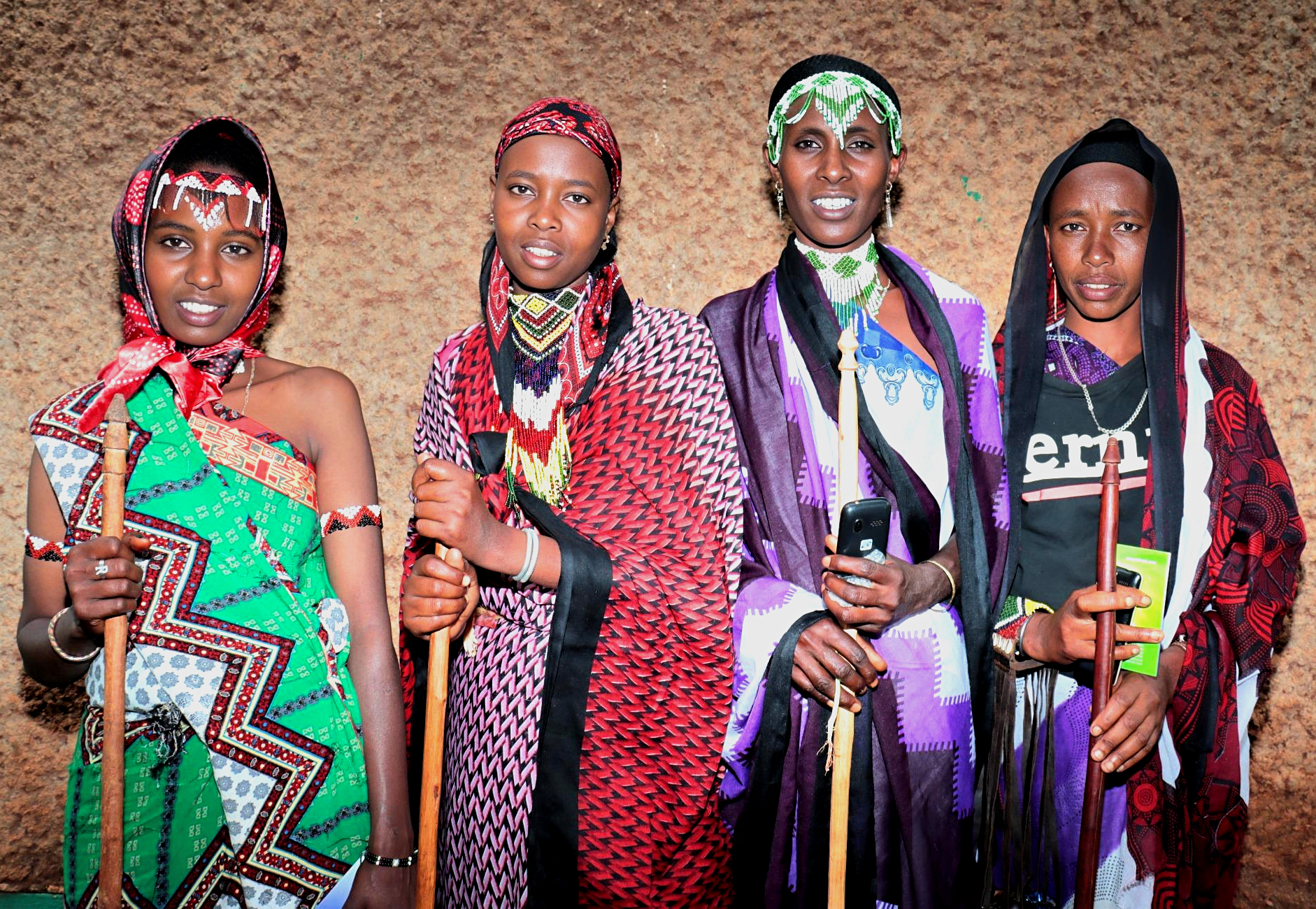
Education For Employment (EFE)
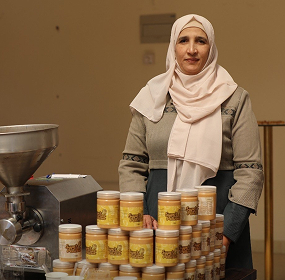
By embedding sustainability across our programmes and convening partners through initiatives such as MENA YES!, we are h… By embedding sustainability across our programmes and convening partners through initiatives such as MENA YES!, we are helping address youth employment challenges across the Middle East and North Africa while equipping young people, especially women, with the skills to succeed in today’s jobs and shape the sustainable economies of tomorrow. »

Clim-Eat
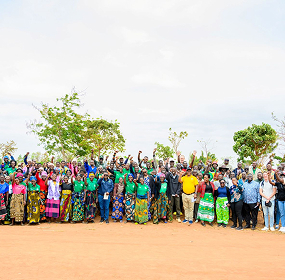
Government representatives, farmer leaders from four countries, and the local farming community during a learning visit showcasing climate-smart practices in Malawi.
New for 2026
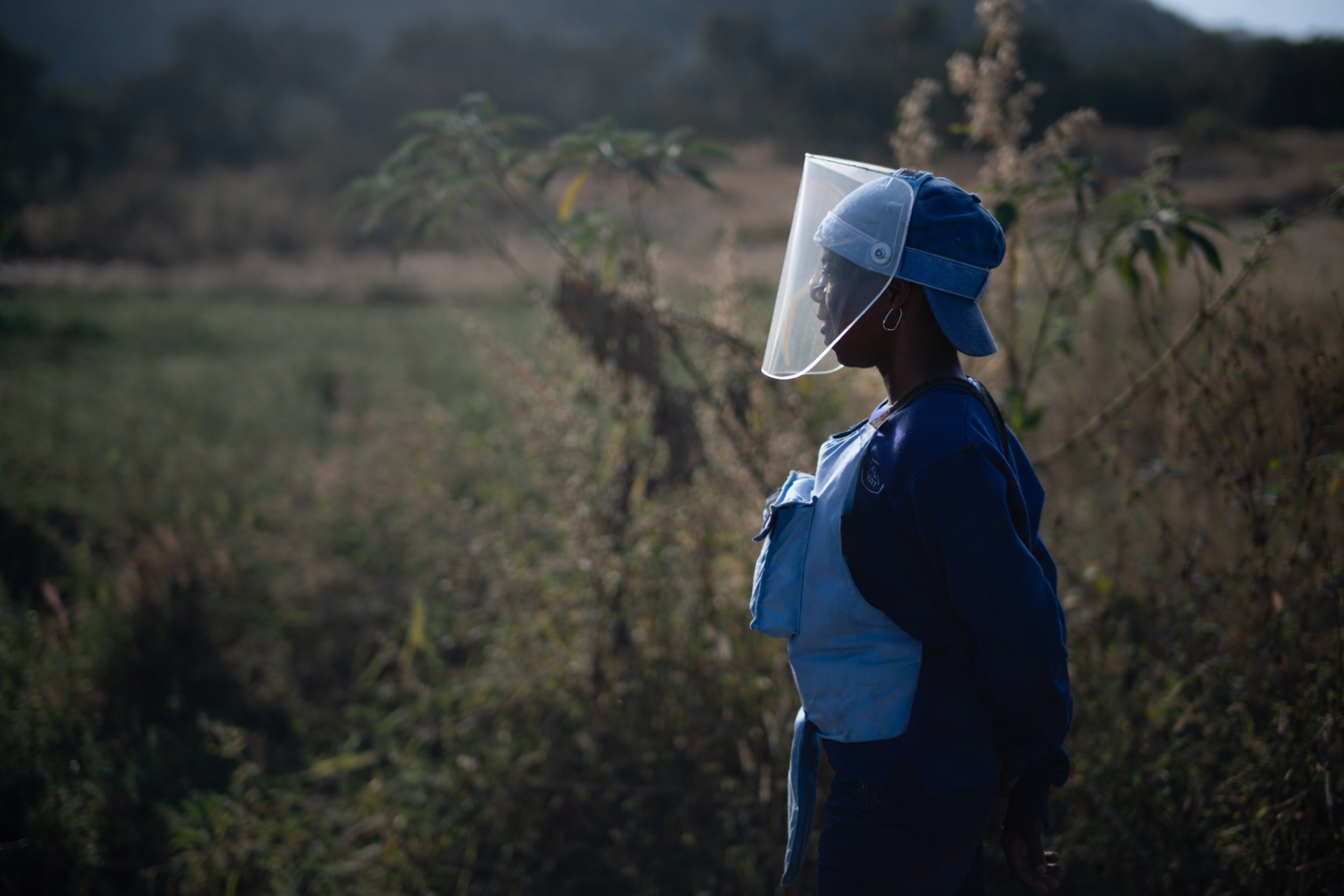
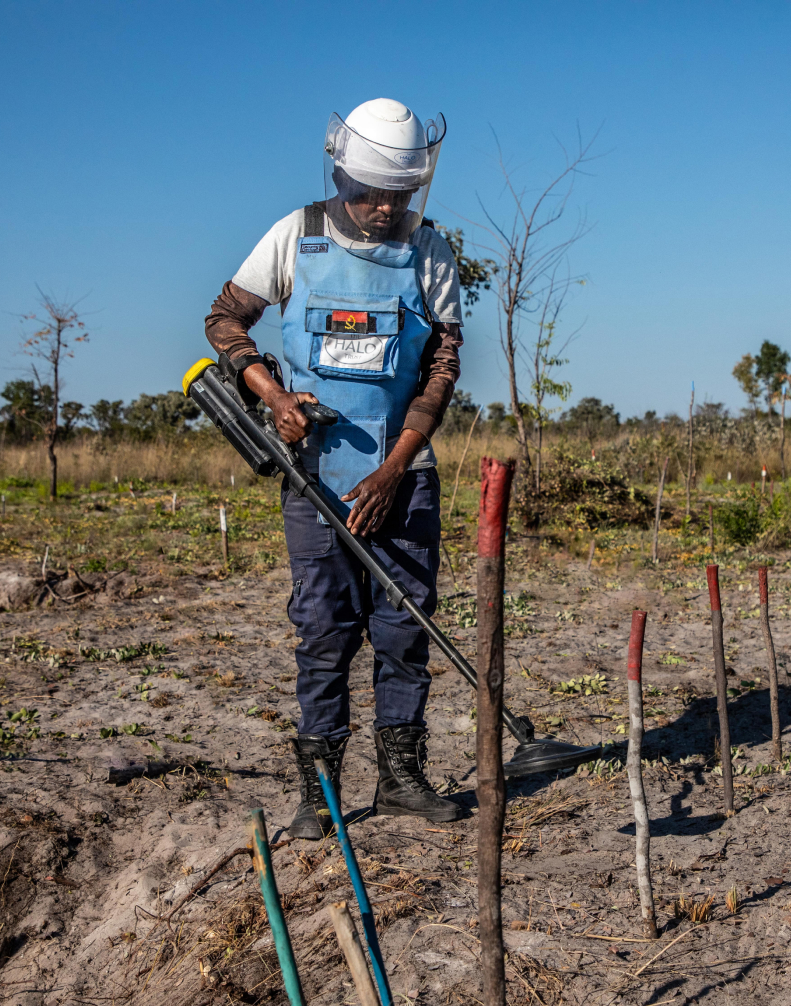
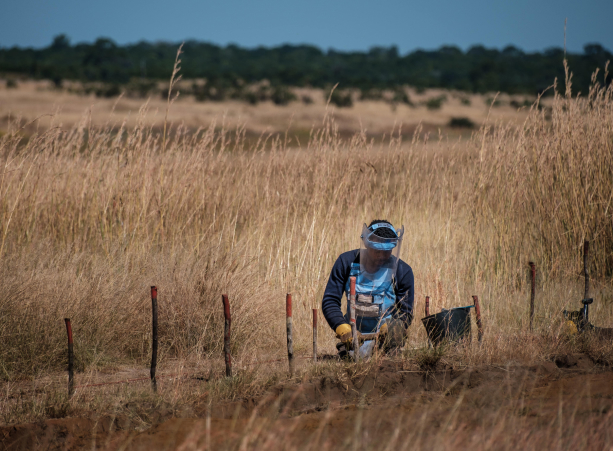
With support from the Trafigura Foundation and other donors, the HALO Trust will clear hazardous areas of Bié Province, in central Angola, and in national parks to the south, restoring access to farmland mined during the country’s long civil war. This will open the way for conservation and eco-tourism in wilderness areas of the Okavango Basin.
8,920
People will benefit from the HALO Trust’s demining of 39.6 hectares of land. Through our support, this work will strengthen resilience in 65% of affected communities